• Mobile Menu
HOME BUY MAGAZINEnew course icon
LOG IN SIGN UP

Sign-Up IcanDon't Have an Account?


SIGN UP


Login Icon

Have an Account?


LOG IN
 

or
By clicking on Register, you are agreeing to our Terms & Conditions.


or


LATEST COURSES

RESOURCES

QUIZ
  • 1
  • 2
  • 3
  • 4
  • 5
  • 6
  • 7
  • 8
  • 9
  • 10

Which phenomenon is responsible for the twinkling of stars?

तारों के टिमटिमाने के लिए कौन सी घटना जिम्मेदार है?


If the mass of an object is doubled, its Kinetic Energy will become:

यदि किसी वस्तु का द्रव्यमान दोगुना कर दिया जाए, तो उसकी गतिज ऊर्जा हो जाएगी:


विद्युत चुंबक बनाने के लिए आवश्यक सामग्री क्या है?

Which materials are required to make an electromagnet?


द्रव्यमान और भार में क्या अंतर है?

What is the difference between mass and weight?


न्यूटन के प्रथम गति नियम को किस नाम से जाना जाता है?

What is Newton’s First Law of Motion also known as?


ओम का नियम किससे संबंधित है?

Ohm’s Law is related to which of the following?


प्रकाश वर्ष किसका मापक है?

What does a light-year measure?


लेंस के फोकस पर रखी वस्तु का प्रतिबिंब कहाँ बनता है?

Where is the image formed when an object is placed at the focus of a lens?


ध्वनि की गति सबसे अधिक किस माध्यम में होती है?

In which medium does sound travel fastest?


निम्नलिखित में से कौन-सा बल वस्तु को गति में नहीं ला सकता?

Which of the following forces cannot bring an object into motion?


Q. 1

Which phenomenon is responsible for the twinkling of stars?

तारों के टिमटिमाने के लिए कौन सी घटना जिम्मेदार है?

Reflection (परावर्तन)


Atmospheric Refraction (वायुमंडलीय अपवर्तन)


Total Internal Reflection (पूर्ण आंतरिक परावर्तन)


Dispersion (विक्षेपण)

Explanation
  • The twinkling of stars demonstrates the phenomenon of atmospheric refraction of light. The light from the stars passes through layers of the Earth's atmosphere with varying densities and temperatures, causing the light to bend (refract) continuously, and its intensity and apparent position to change, making the stars appear to twinkle.

How it works:

  • Atmospheric Layers: The Earth's atmosphere is not static; it consists of multiple layers of air with different temperatures and densities.
  • Bending of Light: As the light from the stars passes through these layers, it bends (refracts) slightly each time.
  • Instability: These layers of air are constantly moving, causing the direction and amount of light bending to change continuously.
  • Twinkling: Due to this constant change, the star's light appears sometimes brighter and sometimes dimmer, making it seem to twinkle.


  • तारों का टिमटिमाना प्रकाश के वायुमंडलीय अपवर्तन (Atmospheric Refraction) की घटना को दर्शाता है. तारों से आने वाला प्रकाश पृथ्वी के वायुमंडल की विभिन्न घनत्व और तापमान वाली परतों से होकर गुजरता है, जिससे प्रकाश लगातार मुड़ता (अपवर्तित होता) है और उसकी तीव्रता व स्थिति बदलती हुई प्रतीत होती है, जिससे तारे टिमटिमाते हुए दिखाई देते हैं

यह कैसे काम करता है:

  • वायुमंडलीय परतें: पृथ्वी का वायुमंडल स्थिर नहीं है; इसमें अलग-अलग तापमान और घनत्व वाली हवा की कई परतें होती हैं
  • प्रकाश का मुड़ना: जब तारों से आने वाला प्रकाश इन परतों से गुजरता है, तो हर बार वह थोड़ा मुड़ता है (अपवर्तित होता है)
  • अस्थिरता: हवा की ये परतें लगातार हिलती रहती हैं, जिससे प्रकाश के मुड़ने की दिशा और मात्रा भी लगातार बदलती रहती है
  • टिमटिमाना: इस निरंतर बदलाव के कारण, तारे की रोशनी कभी तेज तो कभी धीमी लगती है, जिससे हमें वह टिमटिमाता हुआ दिखाई देता है

Q. 2

If the mass of an object is doubled, its Kinetic Energy will become:

यदि किसी वस्तु का द्रव्यमान दोगुना कर दिया जाए, तो उसकी गतिज ऊर्जा हो जाएगी:

Half (आधी)


Double (दोगुनी)


Four times (चार गुना)


Remain same (समान रहेगी)

Explanation
  • If the mass of an object is doubled, its kinetic energy will also double.
  • Kinetic energy (K.E.) = 1/2 × mass (m) × velocity² (v²)

उत्तर

  • यदि किसी वस्तु का द्रव्यमान दोगुना कर दिया जाए, तो उसकी गतिज ऊर्जा दोगुनी हो जाएगी।
  • गतिज ऊर्जा (K.E.) = 1/2 × द्रव्यमान (m) × वेग² (v²)

Q. 3

विद्युत चुंबक बनाने के लिए आवश्यक सामग्री क्या है?

Which materials are required to make an electromagnet?

तांबे का तार और प्लास्टिक रॉड (Copper wire and Plastic Rod)


तांबे का तार और लोहे की कील (Copper wire and Iron Nail)


प्लास्टिक रॉड और बैटरी (Plastic Rod and Battery)


बैटरी और लकड़ी की छड़ी (Battery and Wooden Stick)

Explanation
  • विद्युत चुंबक बनाने के लिए, हमें एक ऐसे पदार्थ की आवश्यकता होती है जो चुंबकीय क्षेत्र से आसानी से प्रभावित हो सके। लोहा एक लौहचुंबकीय पदार्थ है, जिसका अर्थ है कि यह चुंबकीय क्षेत्र में आसानी से चुंबकित हो जाता है।
  • तांबे का तार एक अच्छा चालक है, जिसका अर्थ है कि यह आसानी से विद्युत धारा का संचालन कर सकता है। जब विद्युत धारा तांबे के तार से गुजरती है, तो यह तार के चारों ओर एक चुंबकीय क्षेत्र बनाता है।
  • जब तांबे के तार को लोहे की कील के चारों ओर लपेटा जाता है और विद्युत धारा प्रवाहित की जाती है, तो लोहे की कील एक चुंबक बन जाती है।
  • प्लास्टिक और लकड़ी विद्युत के कुचालक हैं, और इसलिए वे विद्युत चुंबक बनाने के लिए उपयोगी नहीं हैं।

विद्युत चुंबक बनाने के लिए आवश्यक सामग्री:

  • तांबे का तार
  • लोहे की कील या कोई अन्य लौहचुंबकीय पदार्थ
  • बैटरी या कोई अन्य विद्युत स्रोत

उत्तर

  • To make an electromagnet, we need a material that can be easily affected by a magnetic field. Iron is a ferromagnetic material, which means it gets easily magnetised in a magnetic field.
  • Copper wire is a good conductor, which means it can easily conduct electric current. When electric current passes through a copper wire, it creates a magnetic field around the wire.
  • When copper wire is wrapped around an iron nail and electric current is passed through it, the iron nail becomes a magnet.
  • Plastic and wood are poor conductors of electricity, and hence they are not useful for making electromagnets.

Materials required to make an electromagnet:

  • Copper wire
  • Iron nail or any other ferromagnetic material
  • Battery or any other electric source

Q. 4

द्रव्यमान और भार में क्या अंतर है?

What is the difference between mass and weight?

द्रव्यमान बल है और भार पदार्थ की मात्रा है (Mass is force, and weight is the amount of matter)


द्रव्यमान स्थिर रहता है और भार बदल सकता है (Mass remains constant, while weight can change)


दोनों समान होते हैं (Both are the same)


द्रव्यमान का मात्रक न्यूटन है और भार का किलोग्राम (Mass is measured in Newtons and weight in Kilograms)

Explanation
  • द्रव्यमान किसी वस्तु में पदार्थ की मात्रा है।
  • यह एक अदिश राशि है, जिसका अर्थ है कि इसमें केवल परिमाण होता है, दिशा नहीं।
  • द्रव्यमान हर जगह समान रहता है, चाहे वस्तु कहीं भी हो।
  • द्रव्यमान को किलोग्राम (kg) में मापा जाता है।

भार (Weight):

  • भार वह बल है जो गुरुत्वाकर्षण द्वारा किसी वस्तु पर लगाया जाता है।
  • यह एक सदिश राशि है, जिसका अर्थ है कि इसमें परिमाण और दिशा दोनों होते हैं।
  • भार वस्तु के स्थान के आधार पर बदल सकता है, क्योंकि गुरुत्वाकर्षण अलग-अलग स्थानों पर अलग-अलग होता है।
  • भार को न्यूटन (N) में मापा जाता है।

उत्तर

  • Mass is the amount of matter in an object.
  • It is a scalar quantity, which means it has only magnitude, not direction.
  • Mass remains the same everywhere, no matter where the object is.
  • Mass is measured in kilograms.

Weight:

  • Weight is the force exerted on an object by gravity.
  • It is a vector quantity, which means it has both magnitude and direction.
  • Weight can change depending on the location of the object, because gravity varies at different locations.
  • Weight is measured in newtons (N).

Q. 5

न्यूटन के प्रथम गति नियम को किस नाम से जाना जाता है?

What is Newton’s First Law of Motion also known as?

संवेग संरक्षण का नियम (Law of Conservation of Momentum)


जड़त्व का नियम (Law of Inertia)


क्रिया-प्रतिक्रिया का नियम (Action-Reaction Law)


कार्य-ऊर्जा सिद्धांत (Work-Energy Theorem)

Explanation
  • न्यूटन का प्रथम गति नियम बताता है कि कोई वस्तु तब तक विराम अवस्था में रहेगी या एक सीधी रेखा में एक समान गति से चलती रहेगी जब तक कि उस पर कोई बाहरी बल न लगाया जाए।
  • जड़त्व किसी वस्तु की अपनी गति की अवस्था में परिवर्तन का विरोध करने की प्रवृत्ति है।

उत्तर

  • Newton’s First Law of Motion states that an object will remain at rest or move with uniform speed in a straight line unless an external force is applied on it.
  • Inertia is the tendency of an object to resist a change in its state of motion.

Q. 6

ओम का नियम किससे संबंधित है?

Ohm’s Law is related to which of the following?

विद्युत धारा, वोल्टेज और प्रतिरोध / Electric current, Voltage, and Resistance


दाब, आयतन और तापमान / Pressure, Volume, and Temperature


संवेग, बल और त्वरण (Momentum, Force, and Acceleration)


चुंबकीय क्षेत्र और बल / Magnetic Field and Force

Explanation
  • ओम का नियम विद्युत परिपथों में विद्युत धारा, वोल्टेज और प्रतिरोध के बीच संबंध बताता है।
  • यह नियम कहता है कि किसी चालक में विद्युत धारा वोल्टेज के सीधे आनुपातिक होती है और प्रतिरोध के व्युत्क्रमानुपाती होती है, जब तापमान स्थिर रहता है।

गणितीय रूप से, इसे V = IR के रूप में व्यक्त किया जाता है, जहाँ:

  • V वोल्टेज है
  • I विद्युत धारा है
  • R प्रतिरोध है

उत्तर

  • Ohm’s Law states the relationship between electric current, voltage, and resistance in electric circuits.
  • This law states that the electric current in a conductor is directly proportional to the voltage and inversely proportional to the resistance, when the temperature remains constant.

Mathematically, it is expressed as V = IR, where:

  • V is the voltage
  • I is the electric current
  • R is the resistance

Q. 7

प्रकाश वर्ष किसका मापक है?

What does a light-year measure?

समय (Time)


दूरी (Distance)


द्रव्यमान (Mass)


वेग (Speed)

Explanation
  • प्रकाश वर्ष दूरी का मापक है, न कि समय का।
  • यह वह दूरी है जो प्रकाश एक वर्ष में तय करता है।
  • प्रकाश वर्ष का उपयोग खगोलीय दूरियों को मापने के लिए किया जाता है, जैसे कि तारों और आकाशगंगाओं के बीच की दूरी।
  • एक प्रकाश वर्ष लगभग 9.46 ट्रिलियन किलोमीटर के बराबर होता है।

उत्तर

  • A light-year is a measure of distance, not time.
  • It is the distance light travels in a year.
  • Light-years are used to measure astronomical distances, such as the distance between stars and galaxies.
  • One light-year is equal to about 9.46 trillion kilometres.

Q. 8

लेंस के फोकस पर रखी वस्तु का प्रतिबिंब कहाँ बनता है?

Where is the image formed when an object is placed at the focus of a lens?

अनंत पर / At infinity)


केंद्र पर / At the center)


लेंस के पीछे / Behind the lens)


धुंधला प्रतिबिंब बनता है / A blurred image is formed

Explanation
  • जब कोई वस्तु उत्तल लेंस के फोकस पर रखी जाती है, तो प्रकाश की किरणें लेंस से अपवर्तित होने के बाद समानांतर हो जाती हैं।
  • ये समानांतर किरणें अनंत पर मिलती हैं, इसलिए प्रतिबिंब भी अनंत पर बनता है।
  • यह प्रतिबिंब वास्तविक, उल्टा और बहुत बड़ा होता है।
  • अवतल लेंस के मामले में, जब कोई वस्तु फोकस पर रखी जाती है, तो प्रतिबिंब लेंस के उसी तरफ बनता है जहां वस्तु होती है, और यह आभासी, सीधा और छोटा होता है।

उत्तर

  • When an object is placed at the focus of a convex lens, the rays of light become parallel after refracting through the lens.
  • These parallel rays meet at infinity, so the image is also formed at infinity.
  • This image is real, inverted and greatly enlarged.
  • In case of a concave lens, when an object is placed at the focus, the image is formed on the same side of the lens as the object, and it is virtual, erect and diminished.

Q. 9

ध्वनि की गति सबसे अधिक किस माध्यम में होती है?

In which medium does sound travel fastest?

ठोस (Solid)


द्रव (Liquid)


गैस (Gas)


निर्वात (Vacuum)

Explanation
  • ध्वनि एक यांत्रिक तरंग है, जिसे यात्रा करने के लिए एक माध्यम की आवश्यकता होती है। ध्वनि की गति माध्यम के घनत्व और प्रत्यास्थता पर निर्भर करती है।
  • ठोस में, अणु एक साथ कसकर पैक किए जाते हैं, जिससे ध्वनि तरंगें तेजी से यात्रा कर सकती हैं।
  • द्रव में, अणु ठोस की तुलना में अधिक दूर होते हैं, और गैस में, अणु बहुत शिथिल रूप से बिखरे होते हैं।
  • निर्वात में, कोई अणु नहीं होते हैं, इसलिए ध्वनि तरंगें यात्रा नहीं कर सकती हैं।

उत्तर

  • Sound is a mechanical wave that needs a medium to travel. The speed of sound depends on the density and elasticity of the medium.
  • In a solid, the molecules are packed tightly together, allowing sound waves to travel faster.
  • In a liquid, the molecules are farther apart than in a solid, and in a gas, the molecules are very loosely dispersed.
  • In a vacuum, there are no molecules, so sound waves cannot travel.

Q. 10

निम्नलिखित में से कौन-सा बल वस्तु को गति में नहीं ला सकता?

Which of the following forces cannot bring an object into motion?

घर्षण बल (Frictional Force)


गुरुत्वाकर्षण बल (Gravitational Force)


संतुलित बल (Balanced Force)


चुंबकीय बल (Magnetic Force)

Explanation
  • जब किसी वस्तु पर लगने वाले सभी बलों का योग शून्य होता है, तो वे बल संतुलित बल कहलाते हैं।
  • संतुलित बल, परिमाण में बराबर होते हैं लेकिन विपरीत दिशाओं में कार्य करते हैं।
  • संतुलित बल लगने पर वस्तु स्थिर या स्थिर वेग से चलती है।
  • उदाहरण: जब हम किसी मेज़ को दोनों तरफ़ से बराबर बल से दबाते हैं, तो मेज़ अपनी जगह पर बनी रहती है।

उत्तर

  • When the sum of all forces acting on an object is zero, then those forces are called balanced forces.
  • Balanced forces are equal in magnitude but act in opposite directions.
  • When balanced forces are applied, the object moves at a constant or constant velocity.
  • Example: When we press a table with equal force from both sides, the table remains at its place.

CURRENT AFFAIRS

Number of Ramsar Sites in India Increased to 98
Reference: Just before World Wetlands Day 2026 (2 February), Patna Bird Sa...
    Mon 02 Feb, 2026

Menstrual Health in Schools as a Fundamental Right
Context In a landmark judgment delivered on January 30, 2026, the Supreme C...
    Sat 31 Jan, 2026

मासिक धर्म स्वास्थ्य—अनुच्छेद 21 के अंतर्गत मौलिक अधिकार
पृष्ठभूमि भारत के सर्वोच्च न्यायालय ने एक ऐतिहासिक निर्णय में यह स्पष्ट कि...
    Sat 31 Jan, 2026

‘डायमंड ट्रायंगल’ विश्व धरोहर स्थल की अस्थायी सूची में शामिल
संदर्भ : यूनेस्को ने ओडिशा के रत्नागिरी, उदयगिरी और ललितगिरी बौद्ध स्थलों ...
    Fri 30 Jan, 2026


WHY CHOOSE US


Online Classes
  • Online Classes

    Classes by best faculty at your home.

  • Study Material

    Exam oriented & updated Study material.

  • Assessment

    Regular Self & Mock Tests for Self evaluation.

  • Doubt Solving

    One to one personal mentorship.

  • Test Series

    Availability of Offline/Online Test Series

OUR COURSES


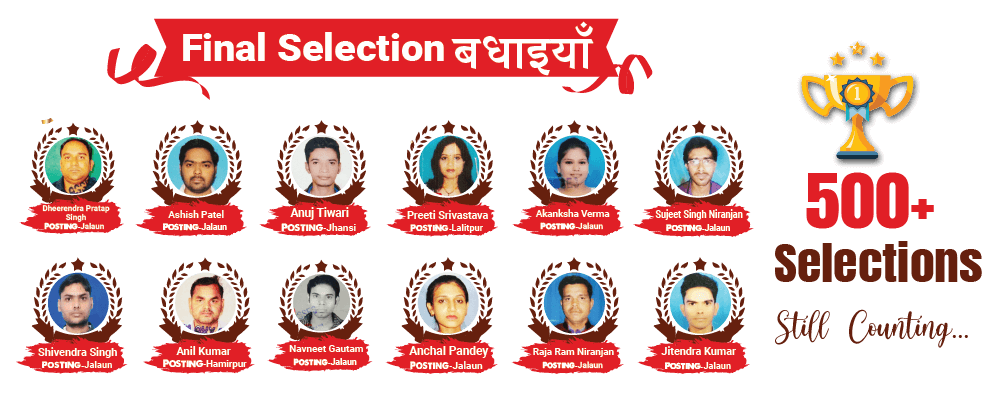
OUR ACHIEVEMENTS


OUR ACHIEVEMENTS

CAREERS @ Galaxy Classes


CAREER WITH US
CAREER WITH US

We are committed to quality and integrity, and strongly believe the success of our students depends greatly on the competence and attitude of our experts. At Galaxy Classes, we always value and encourage diversity. If you feel that you have the right mindset, passion and dedication, do contact us.

To become a part of Galaxy Classes Team. Please send your resume to hr@galaxyclasses.co.in

Have an enquiry or a suggestion?


SEND US A MESSAGE
0/50
+91
0/500
We would love to hear from you!
OR
Call us at +91 7235808541 , +91 7042496042
Head Office Delhi

OUR BRANCHES